2026 Indoor Signage Trends Every Business Owner Should Know
Walk into any successful business in 2026 and you'll notice something before you even reach the counter — the signage. It's not just a name on a wall anymore. Indoor signage has become one of the most overlooked tools for shaping how customers feel the moment they step inside.

Whether you run a boutique on Governors Drive, a clinic near Redstone Arsenal, or a restaurant in downtown Huntsville, the way you communicate visually inside your space directly affects how long people stay, how much they trust you, and whether they come back. Below are the indoor signage trends dominating 2026 — and what they mean for business owners planning their next upgrade.
1. Minimalist, Brand-First Designs
Cluttered signage is out. Business owners are moving toward clean layouts, simple typography, and a tight color palette that mirrors their logo and website. The goal is instant recognition — a customer should be able to tell your brand identity within three seconds of walking in, without reading a single word.
This shift has made Custom Indoor Signs especially popular, since off-the-shelf options rarely match a brand's exact fonts, colors, or spacing. Businesses want signage that looks like it was built specifically for their space, not pulled from a catalog.
2. Sustainable and Eco-Conscious Materials
More business owners are asking sign makers about recycled acrylic, bamboo, reclaimed wood, and low-VOC finishes. It's partly about cost efficiency and partly about brand image — customers increasingly notice and appreciate businesses that make visibly sustainable choices, and signage is one of the easiest places to show it.
3. Backlit and LED-Integrated Signage
Illuminated signs aren't just for storefront windows anymore. In 2026, interior LED-backlit panels, edge-lit acrylic, and channel letters are showing up on reception walls, menu boards, and hallway directories. They create a premium feel without needing a large space, which makes them a strong fit for smaller offices, salons, and retail counters.
4. Dimensional and Textured Lettering
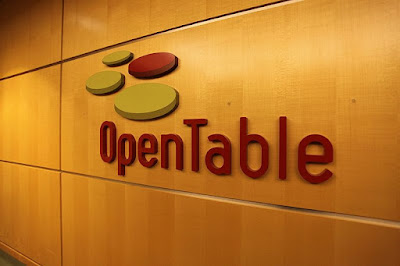
Flat printed signs are giving way to raised lettering, layered acrylic, and mixed-material builds that add depth and shadow. This trend photographs well for social media too — many customers now snap a photo of a well-designed reception sign and tag the business, which is essentially free marketing.
5. Wayfinding as a Branding Opportunity

Directional and wayfinding signage used to be purely functional — arrows, room numbers, exit signs. In 2026, businesses are treating wayfinding as another canvas for branding, using consistent colors, icons, and typography throughout hallways, floors, and departments. This is especially relevant for medical offices, coworking spaces, and multi-room facilities.
6. Digital and Hybrid Signage
Static signs paired with small digital displays — for menus, promotions, or wait times — are becoming more common, especially in restaurants, gyms, and retail. The trend isn't about replacing physical signs entirely, but blending both so businesses can update messaging without reprinting everything.
7. Local Identity Woven Into Design
A growing number of business owners are incorporating local landmarks, colors, or subtle references into their signage to build a stronger community connection. For businesses looking for custom indoor signs in Huntsville, this local-first approach is proving especially effective — it signals to customers that a business is rooted in the community, not a generic chain replica.
Why These Trends Matter for Local Businesses
Indoor signage does more than label a space — it sets expectations. A well-designed sign tells a customer whether a business is established, professional, and detail-oriented before a single word is exchanged with staff. In competitive local markets, that first impression often determines whether someone becomes a repeat customer.
Business owners upgrading their signage in 2026 aren't just chasing aesthetics — they're investing in a low-cost, high-visibility branding tool that works every single day, with no ongoing ad spend.
Choosing the Right Sign Partner
Not every sign company can execute these trends well. When evaluating options, look for a provider that can:
- Match your exact brand colors, fonts, and logo specifications
- Offer a range of materials, from acrylic and wood to metal and LED-integrated panels
- Handle both wayfinding and feature signage under one project
- Provide design mockups before production
- Understand local installation requirements and building codes
Final Thoughts
Signage trends will keep evolving, but the underlying goal stays the same: making your space feel intentional, professional, and unmistakably yours. If you're planning an update, now is a good time to explore your options and get a design consultation before peak renovation season fills up local sign shops.
Looking to upgrade your space with a design that fits your brand and your community? A local sign specialist can help you plan and install signage built specifically for your business.


Comments
Post a Comment